Brendan T. Byrne State Forest
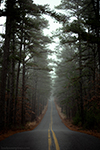
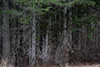
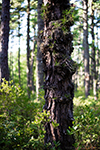
Brendan T. Byrne State Forest, within the depths of the Pinelands, is one of the largest and most ecologically diverse state forests in New Jersey. The forest covers over 37,000 acres, with upland woodlands of Pitch Pine and shrubbery, as well as wetlands, swamps, and cedar forests.
Loose sugar sand dominates the state forest's territory. Medium hills and plains covered in pine and shrubs make up the uplands. The sensation of a never-ending upland forest landscape is expansive enough that traveling through it can feel like you're far out in the wilderness.
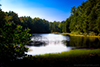
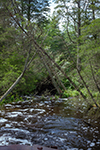
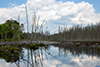
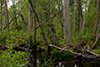
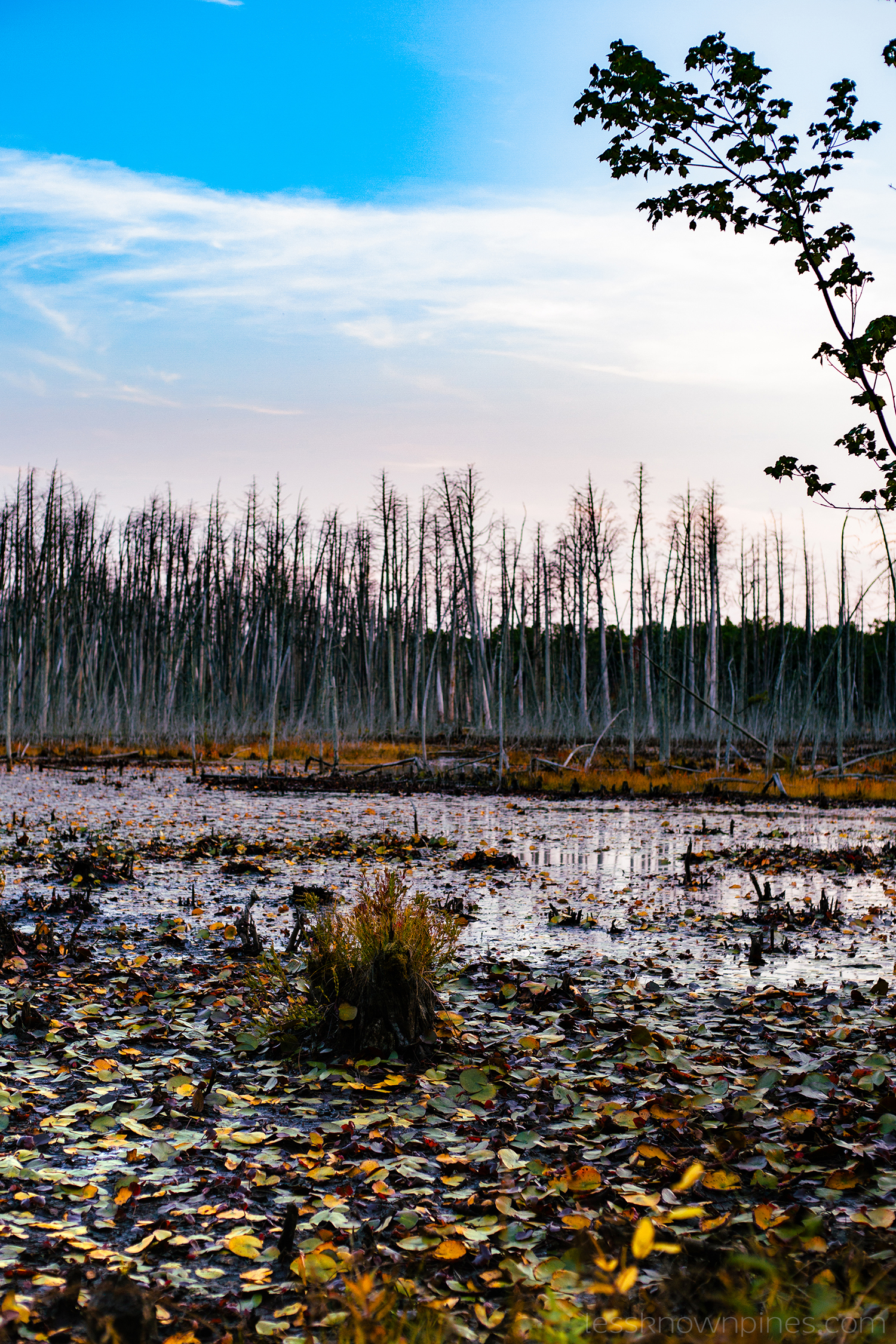
Portions of Byrne State Forest contain extensive wetland cedar forests that drain into large swamps, lakes, and ponds. Although the cedars and bodies of water are not nearly as large as the uplands, the cedar forests cover vast acres of non-stop Atlantic White Cedar, canals for water, and mounds of dirt for burrows.
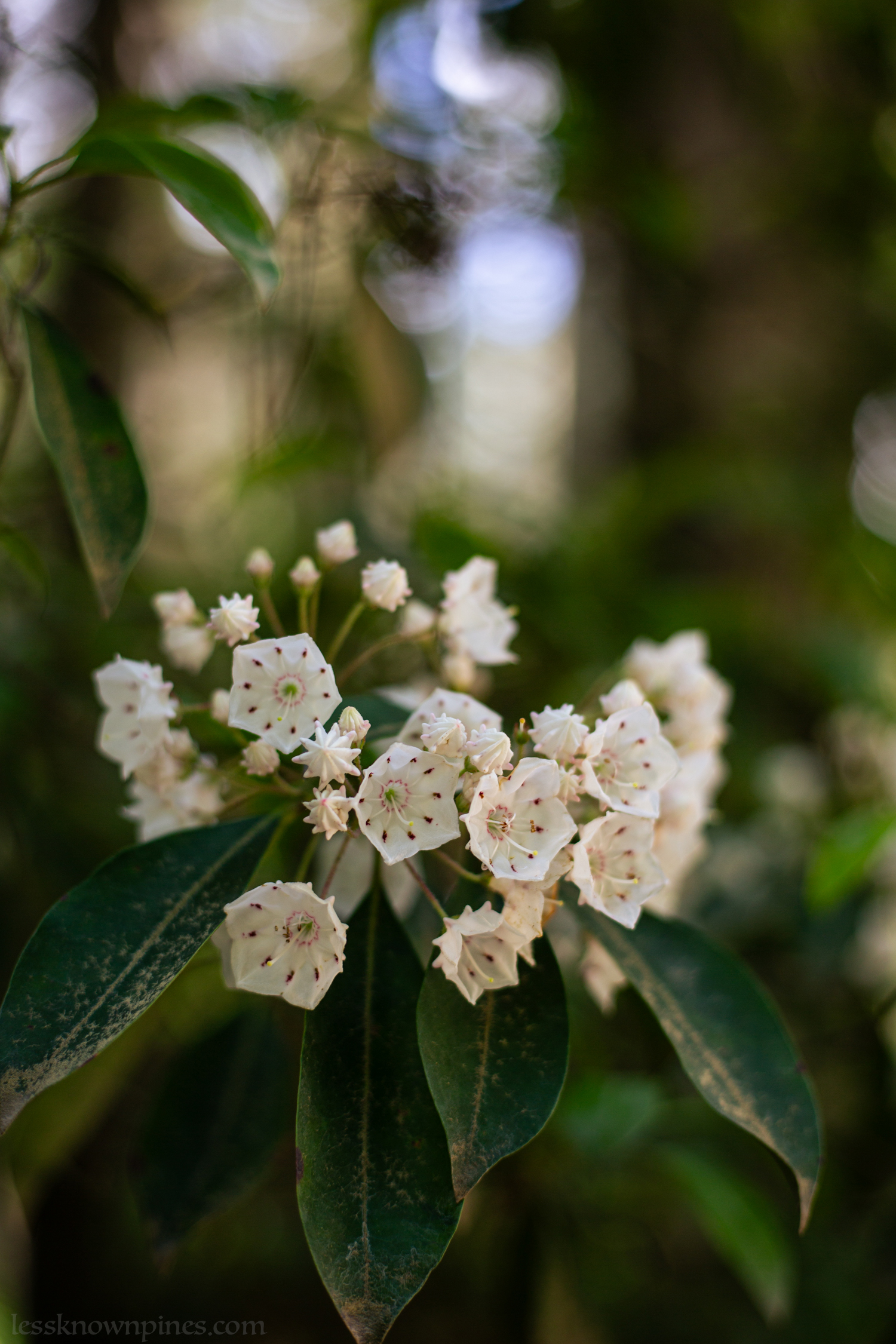
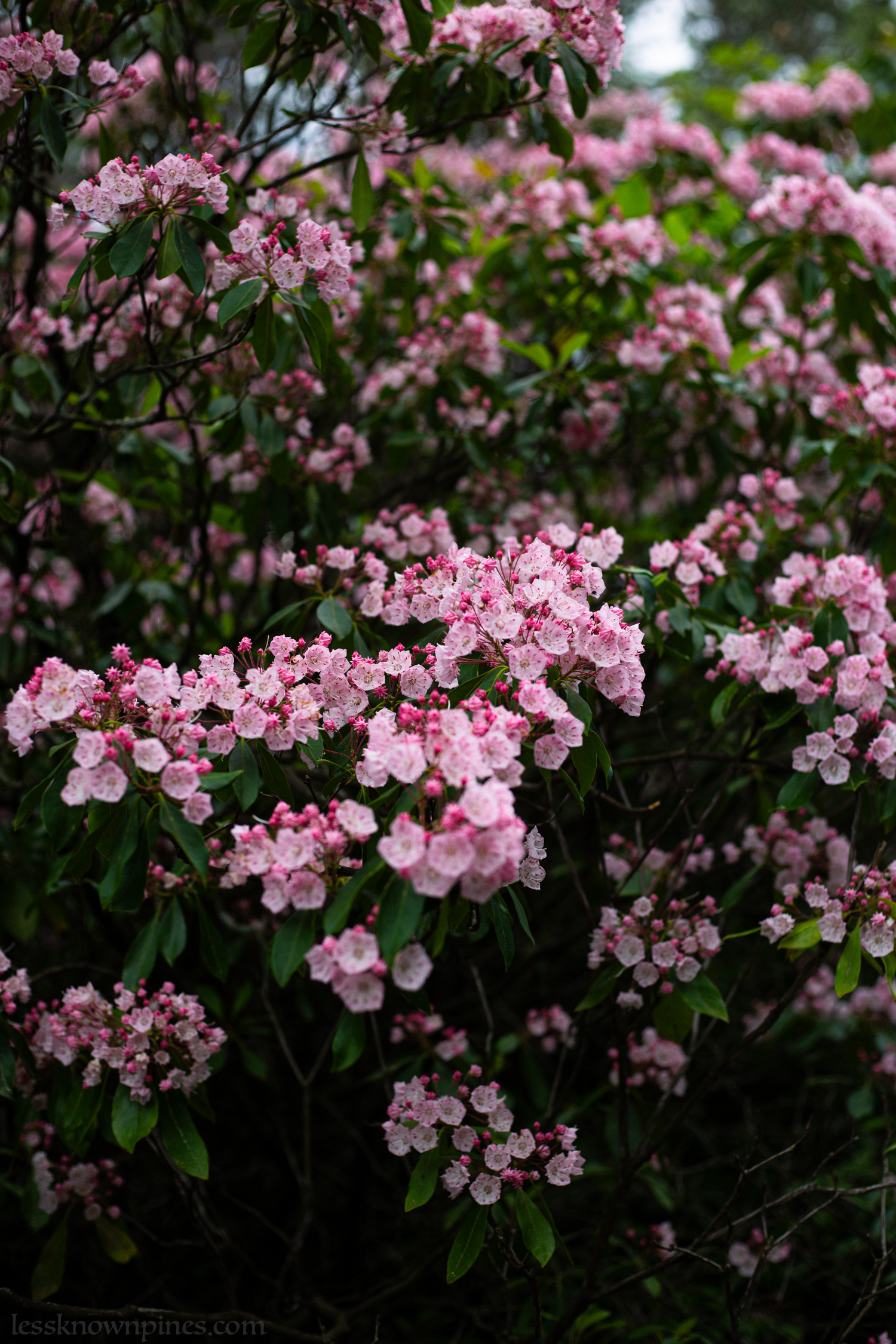
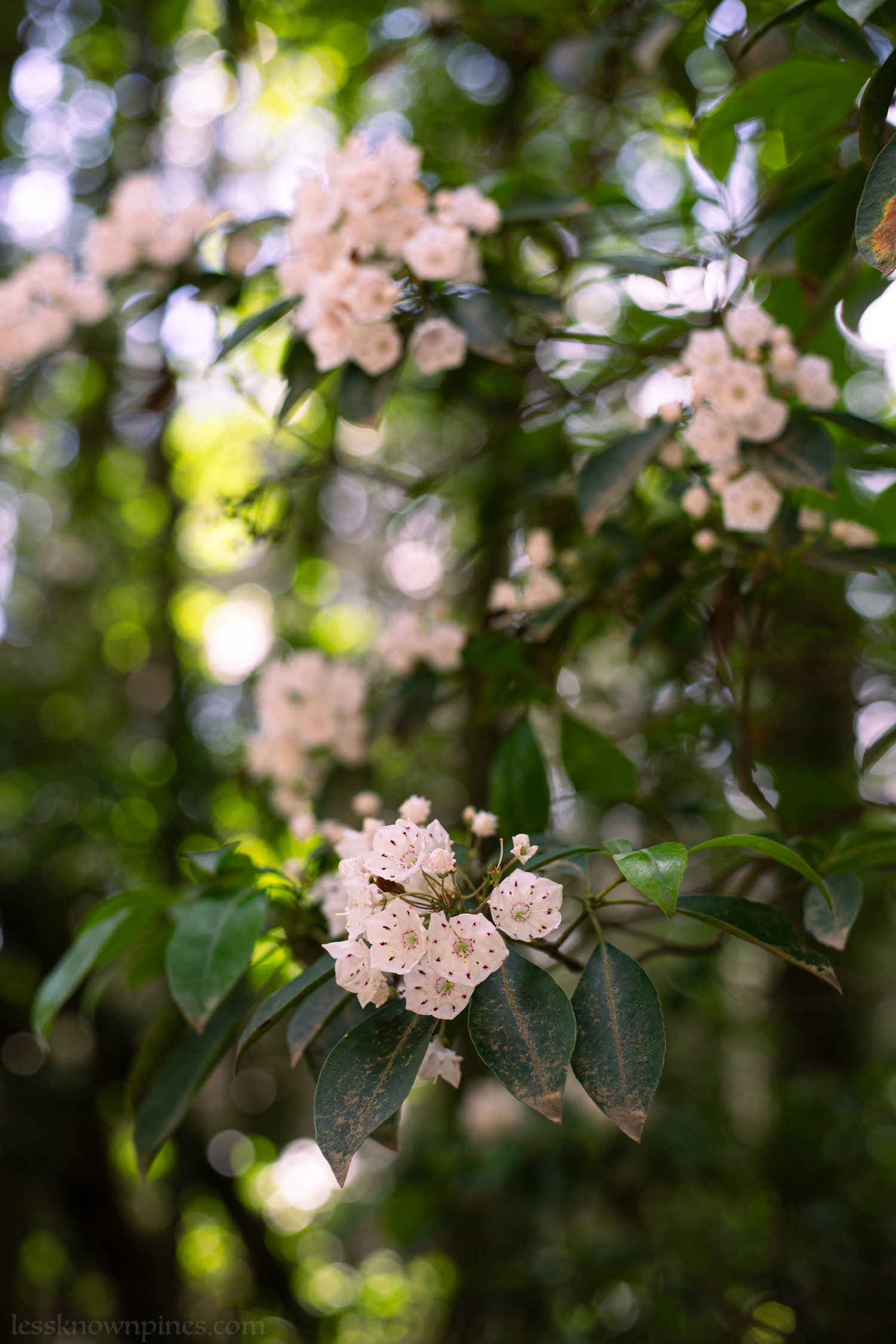
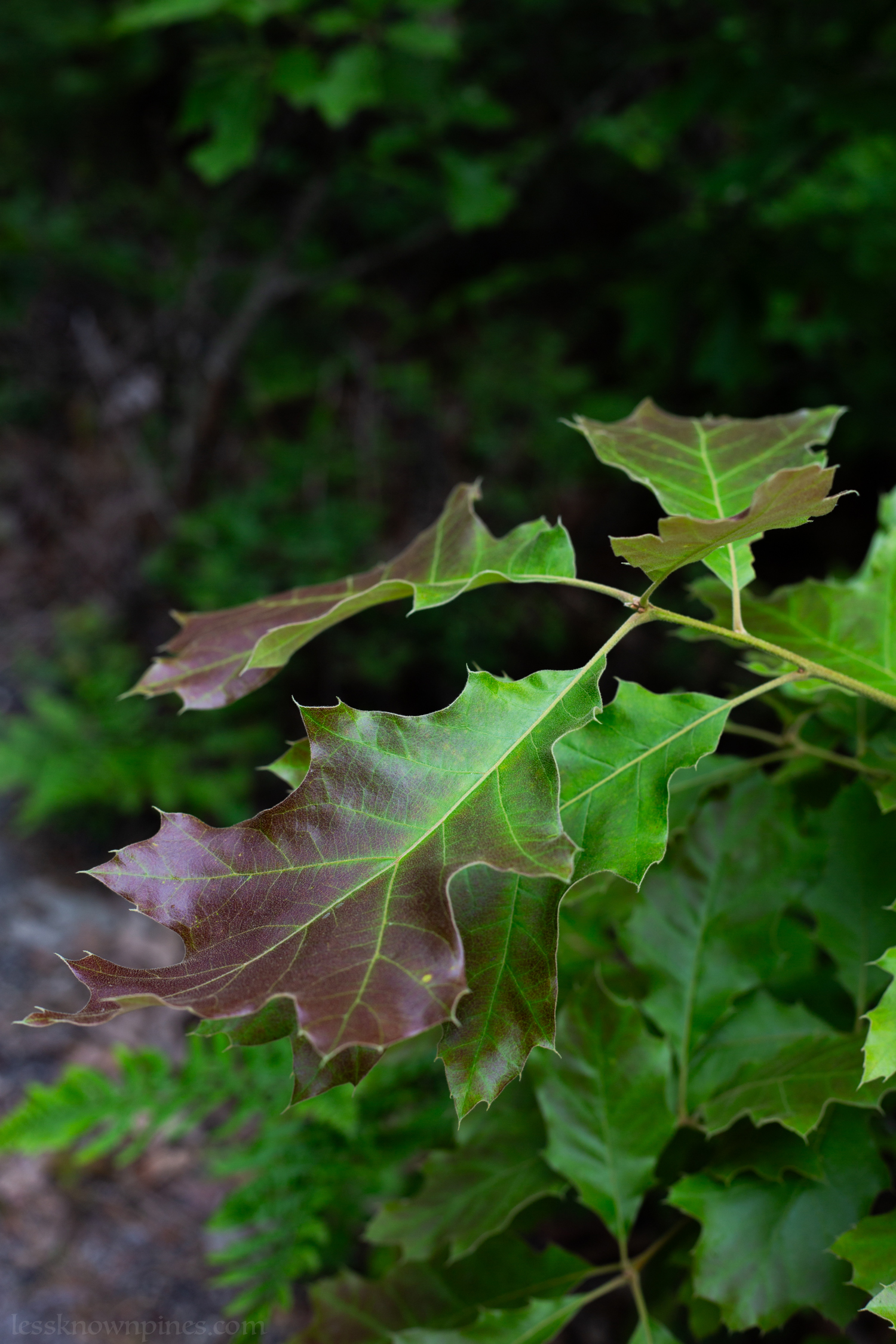
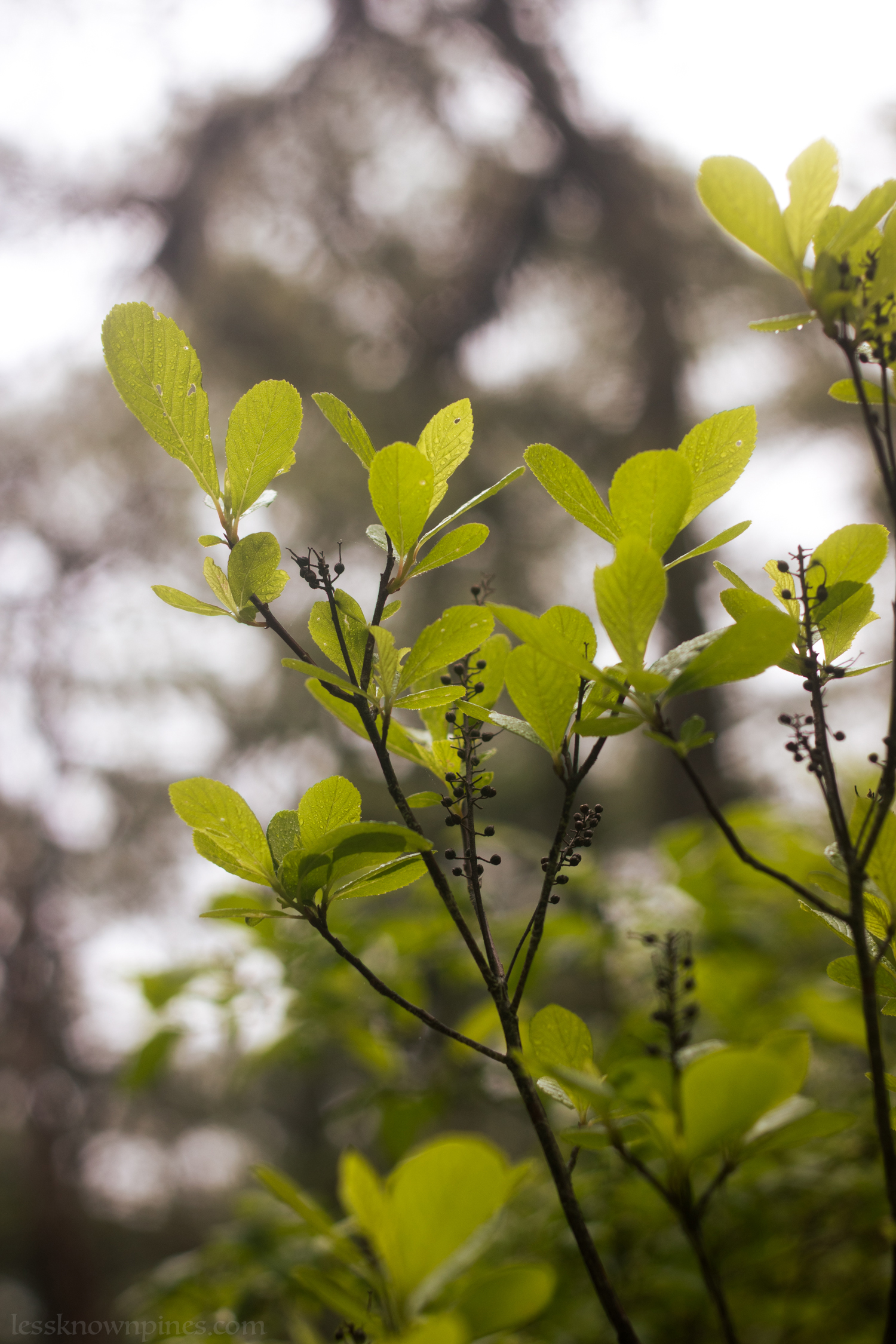
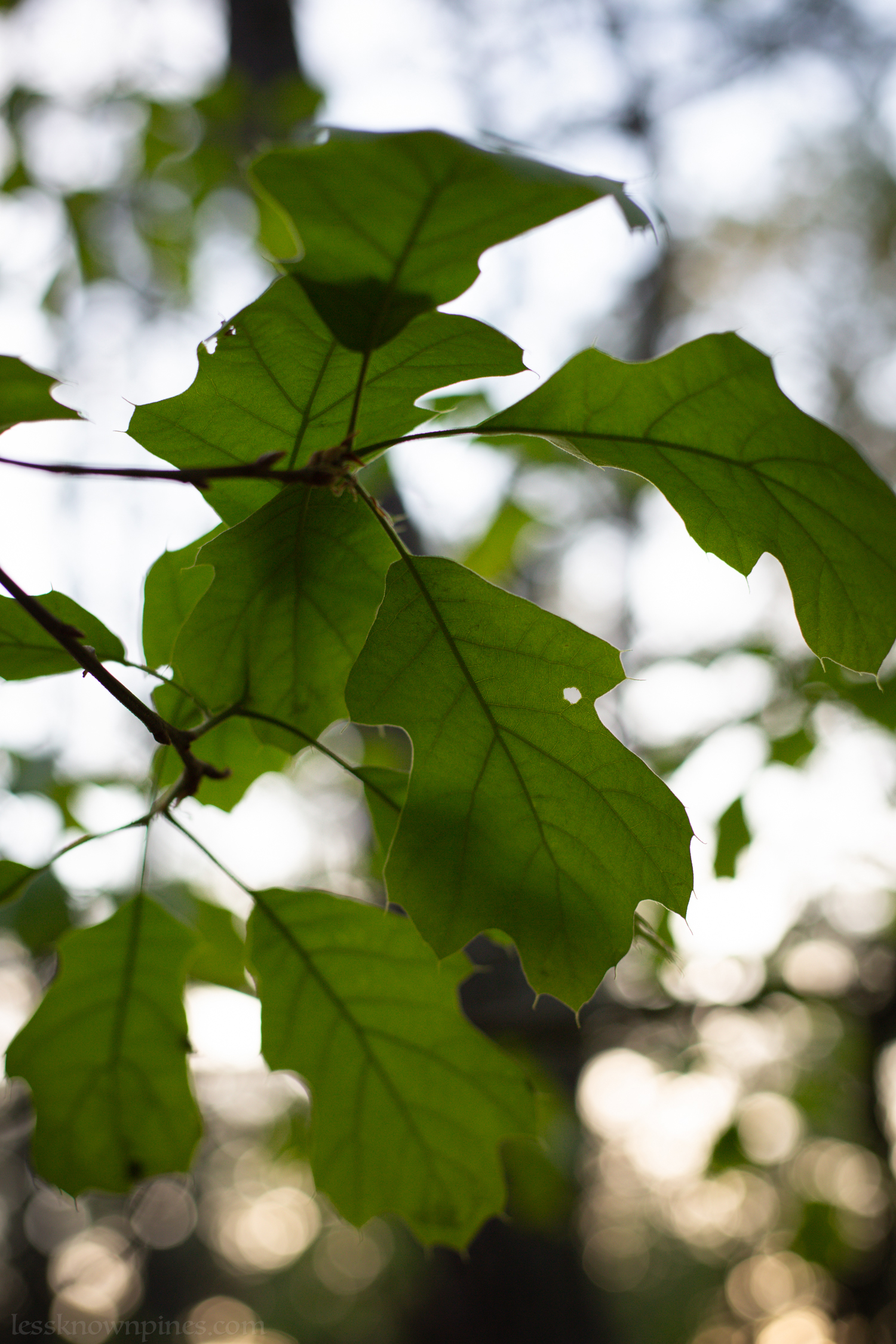
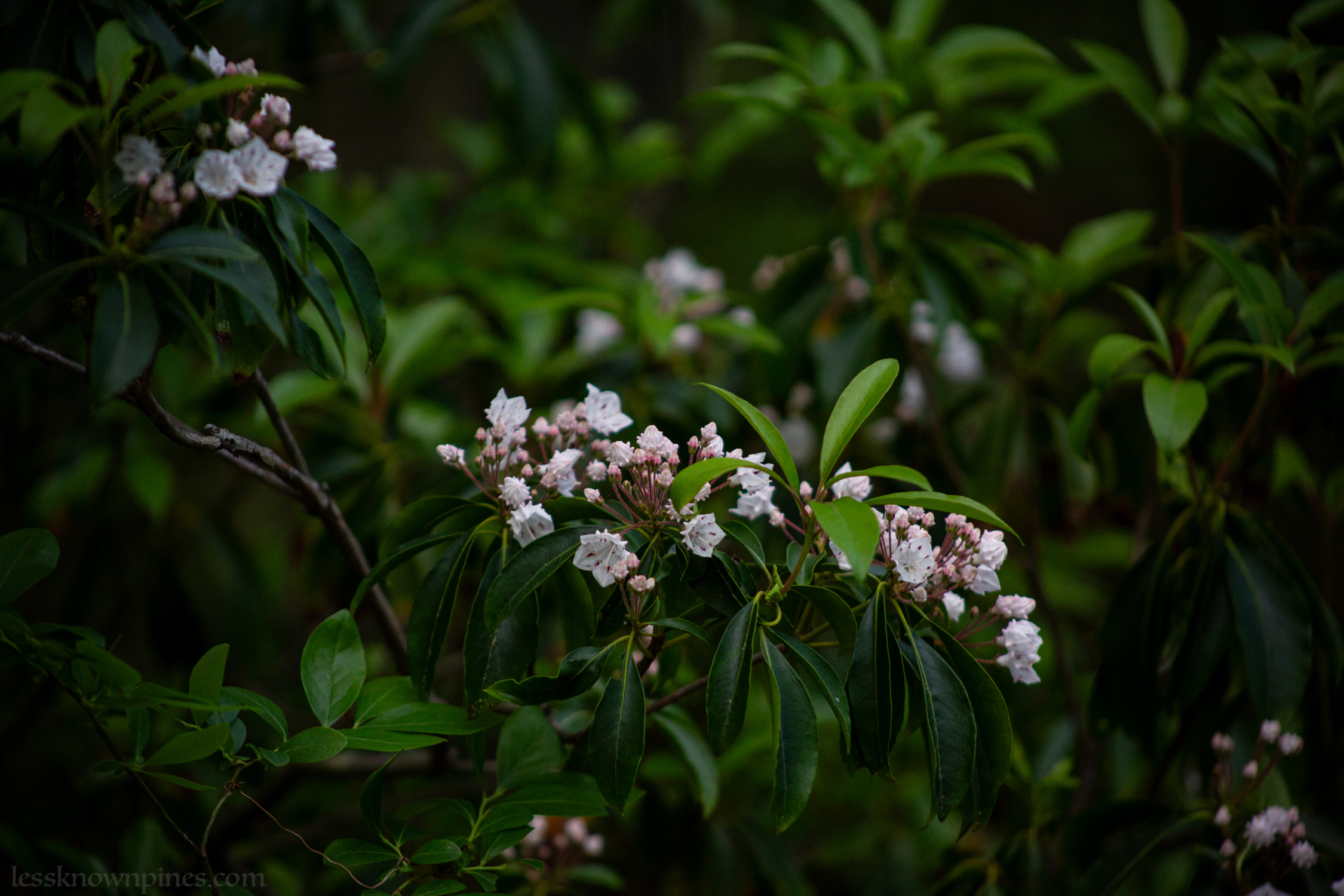
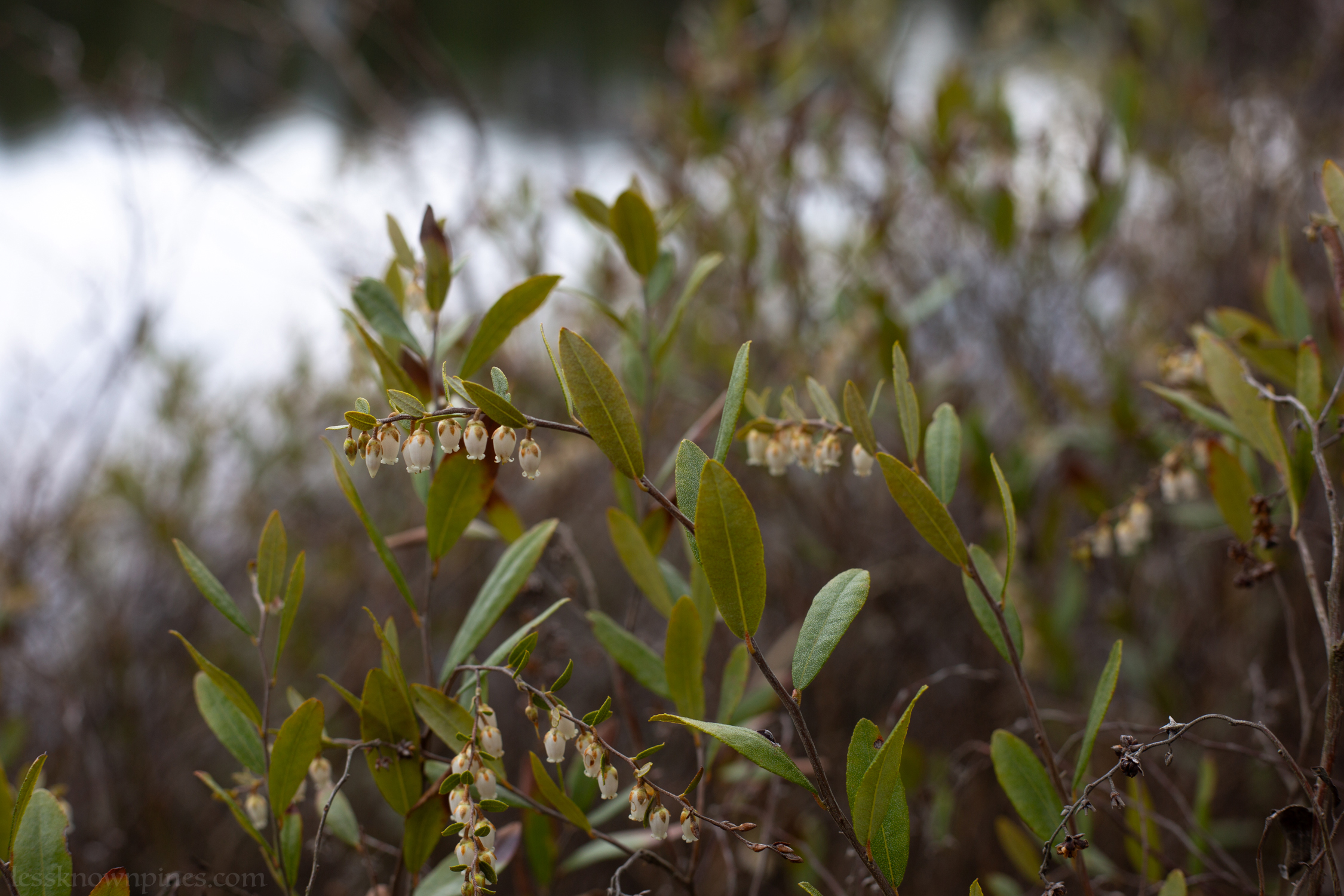
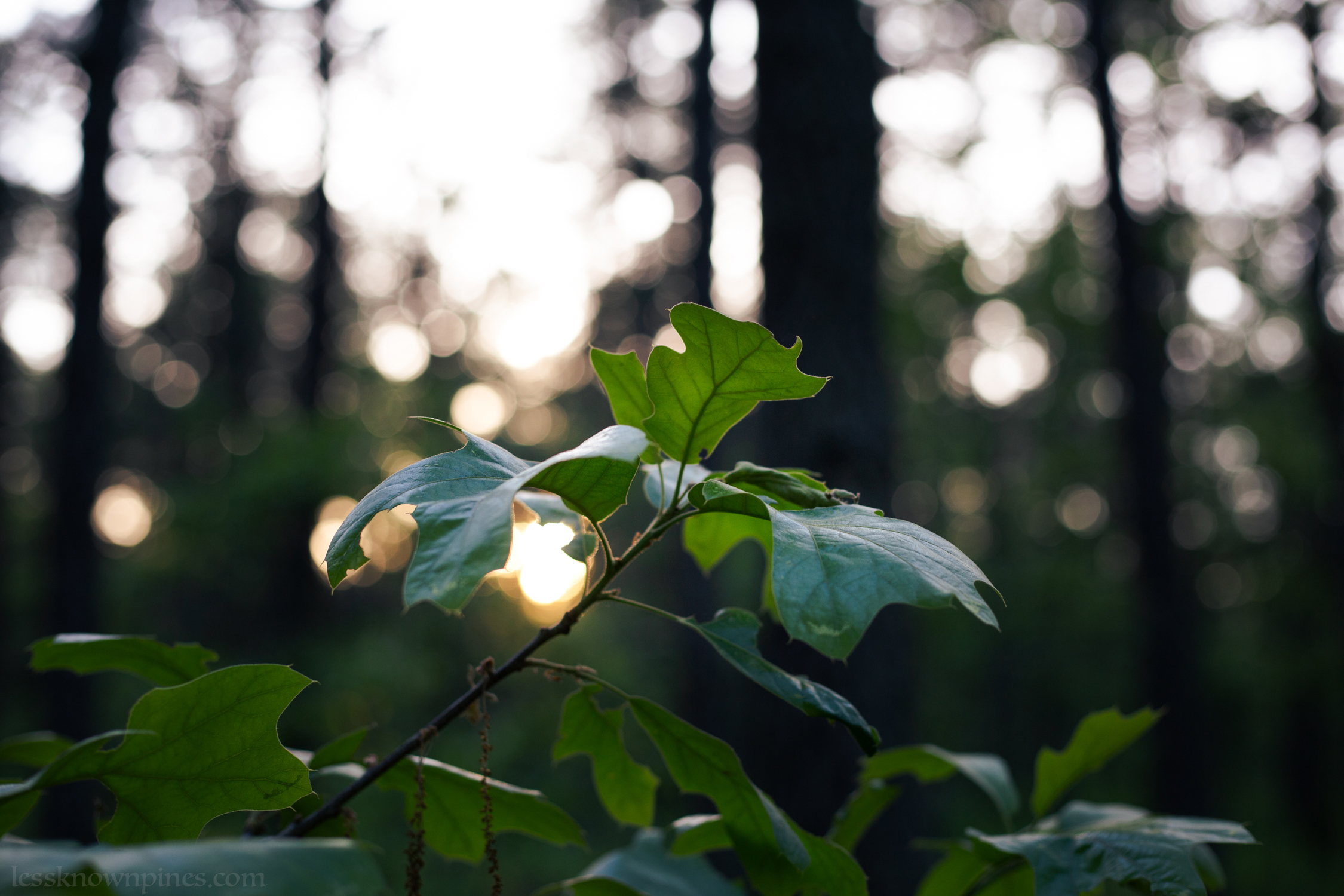
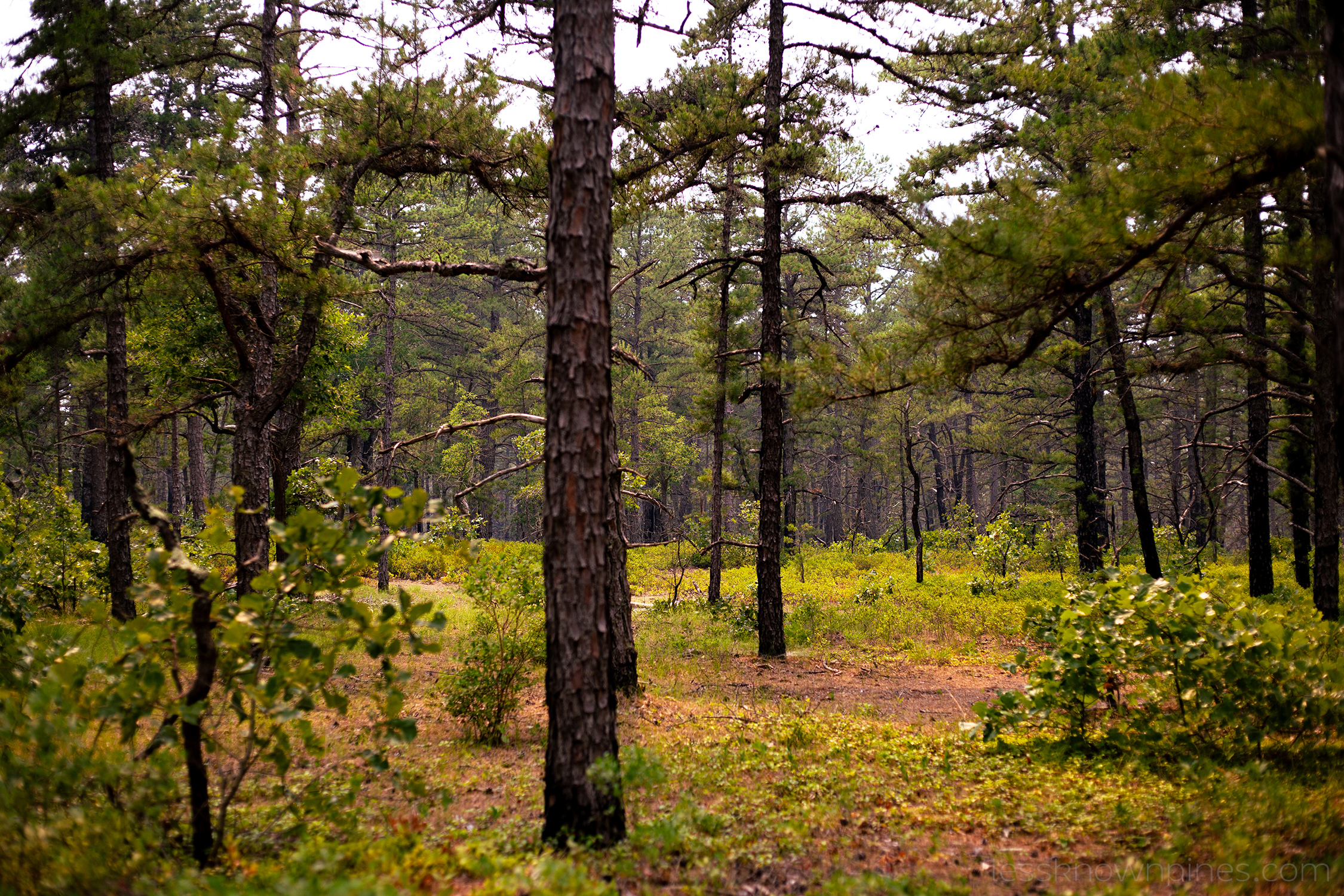
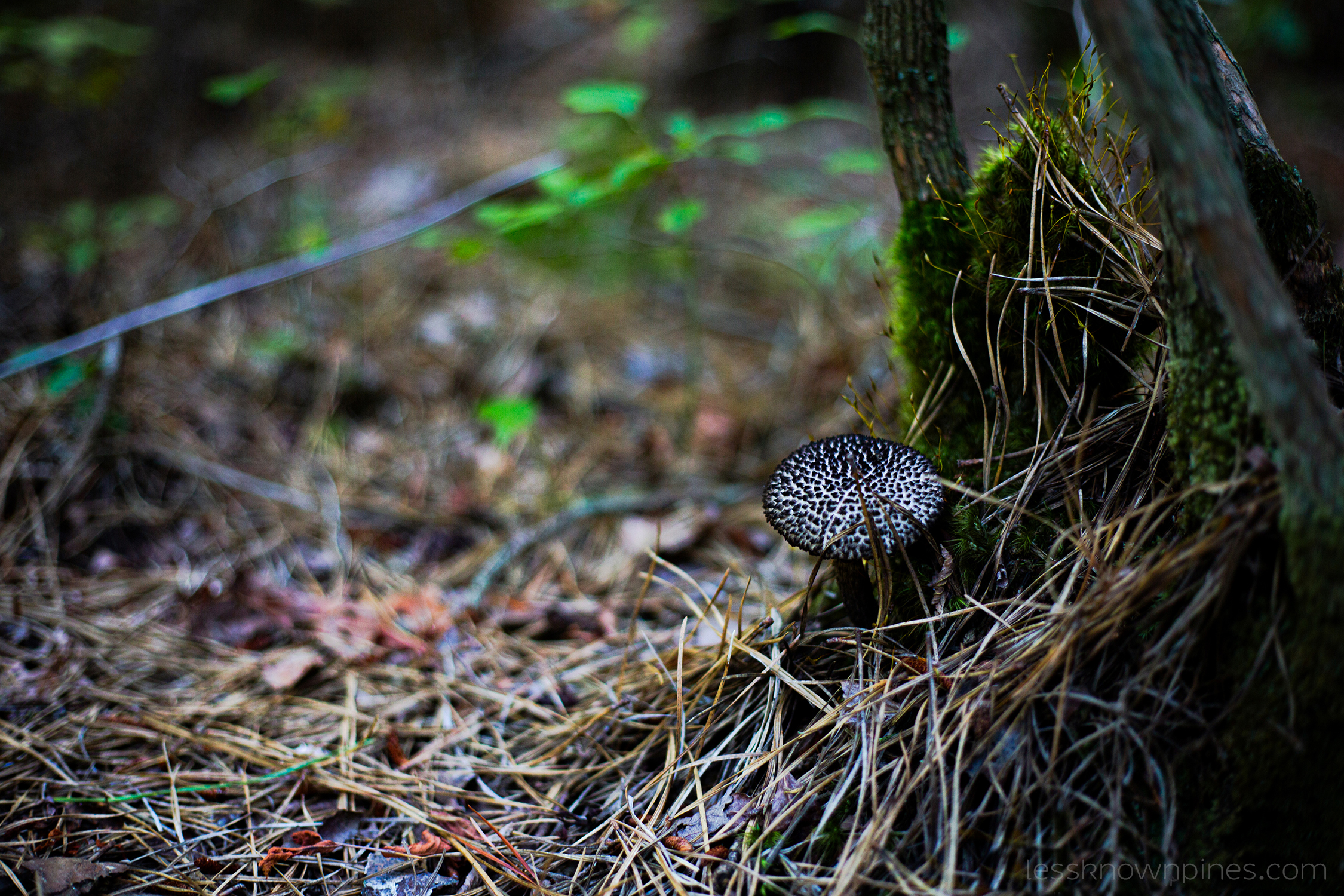
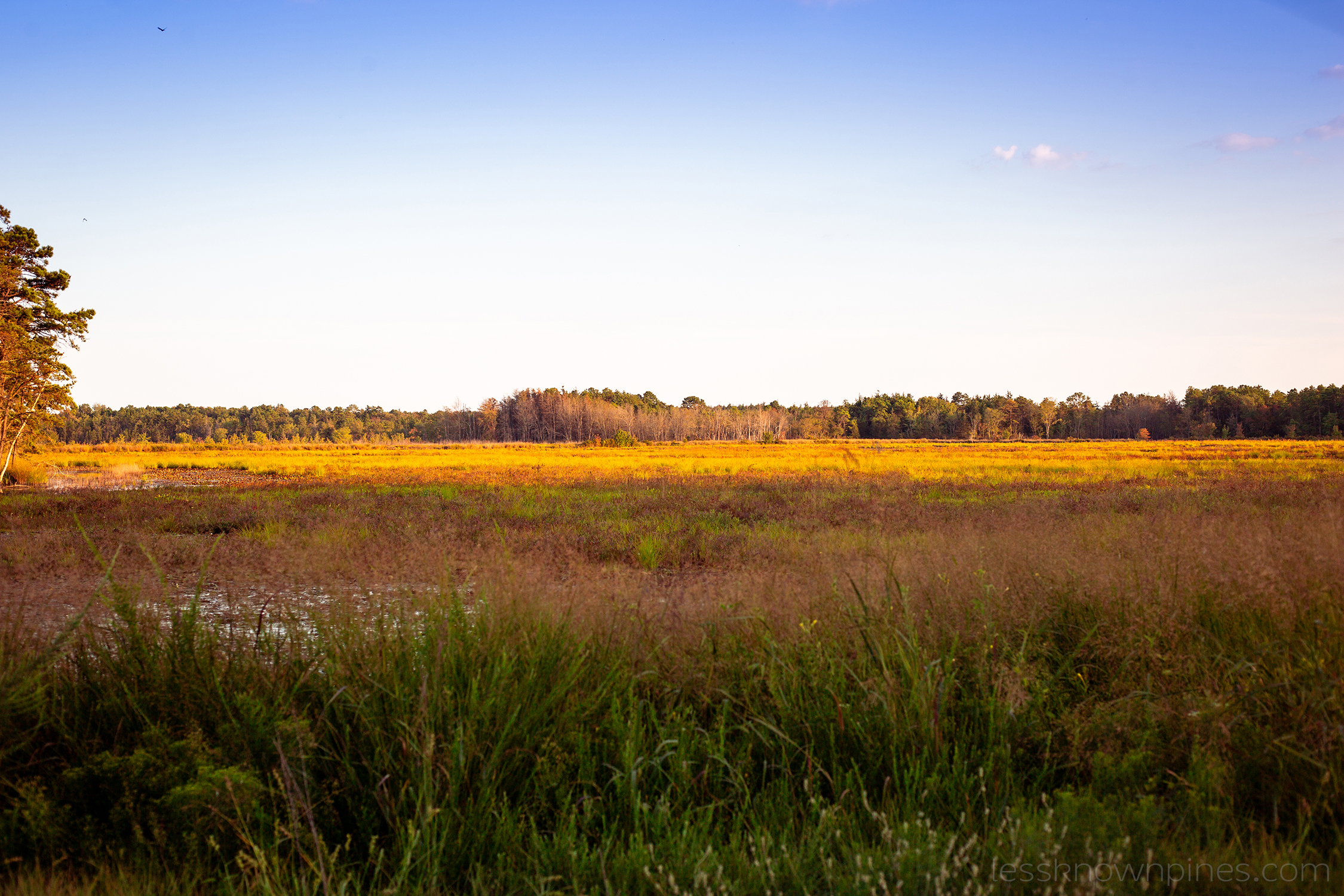
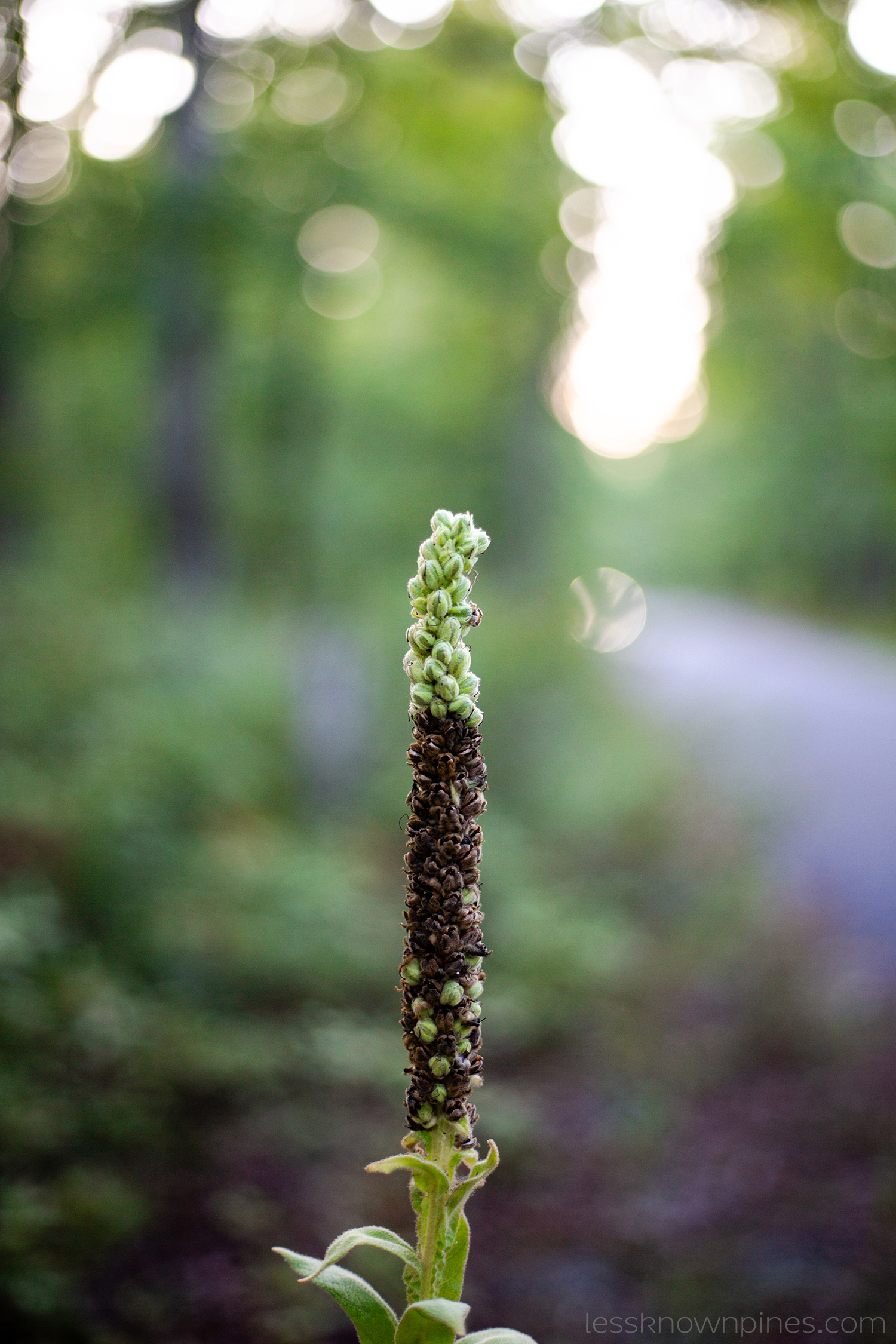
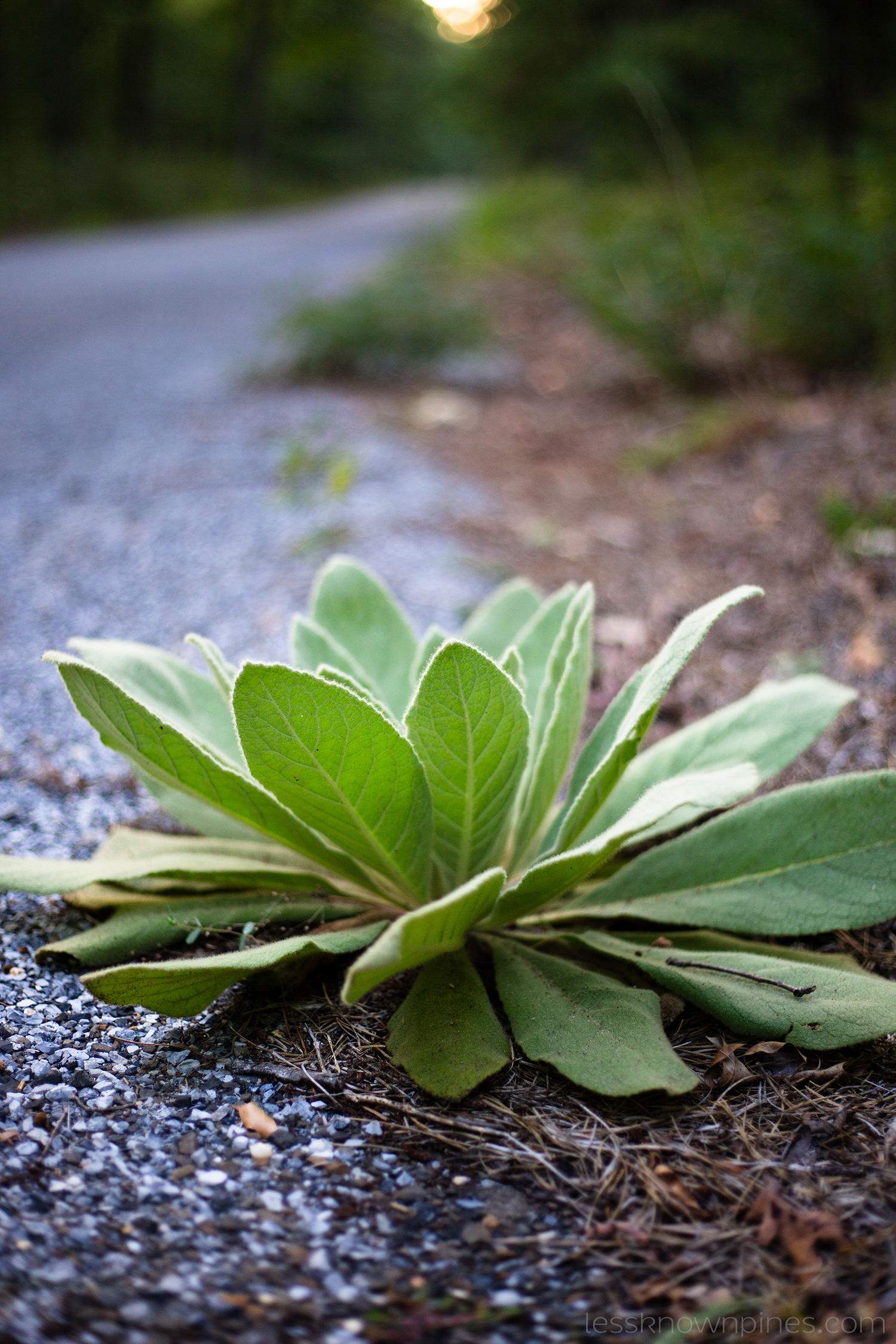
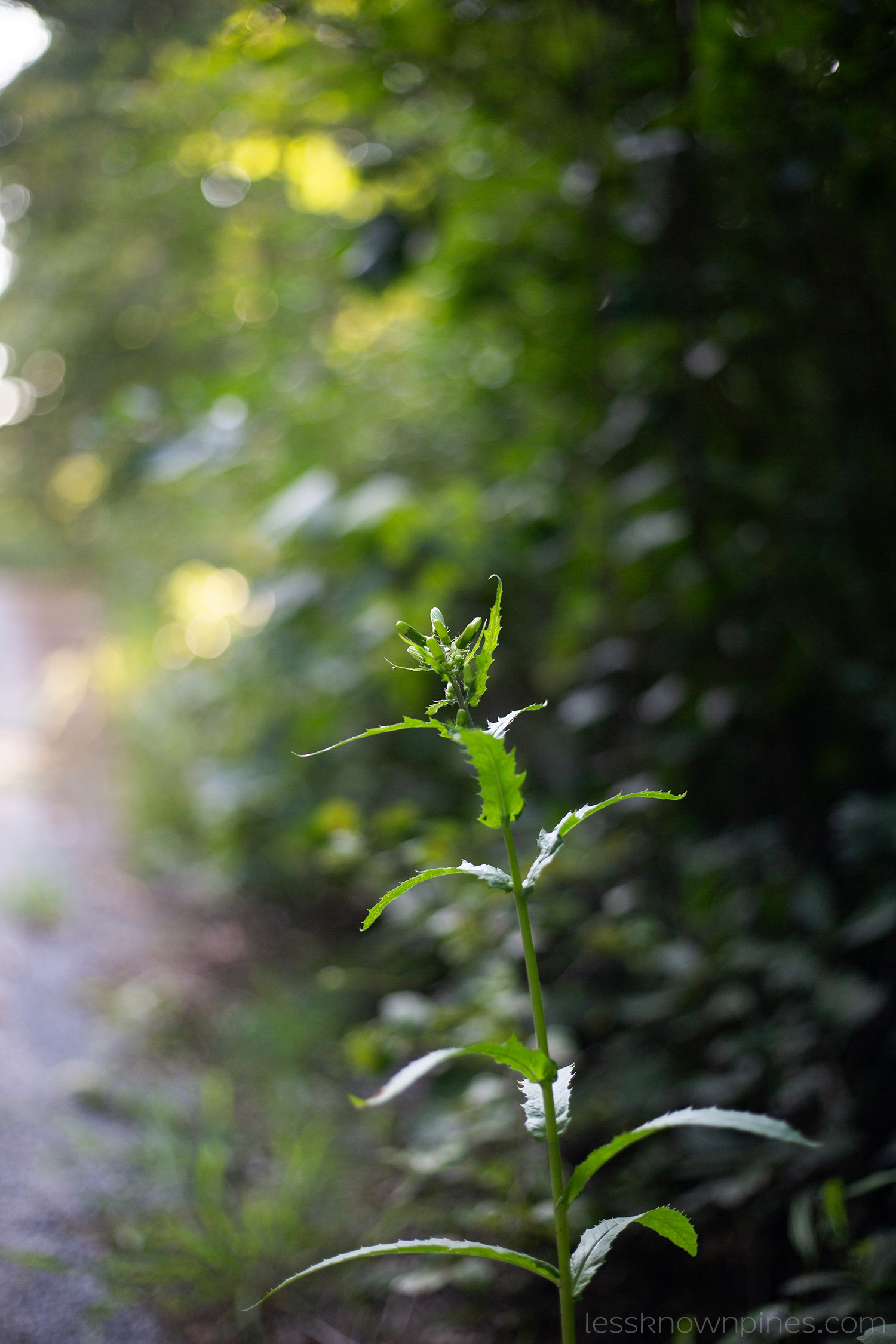
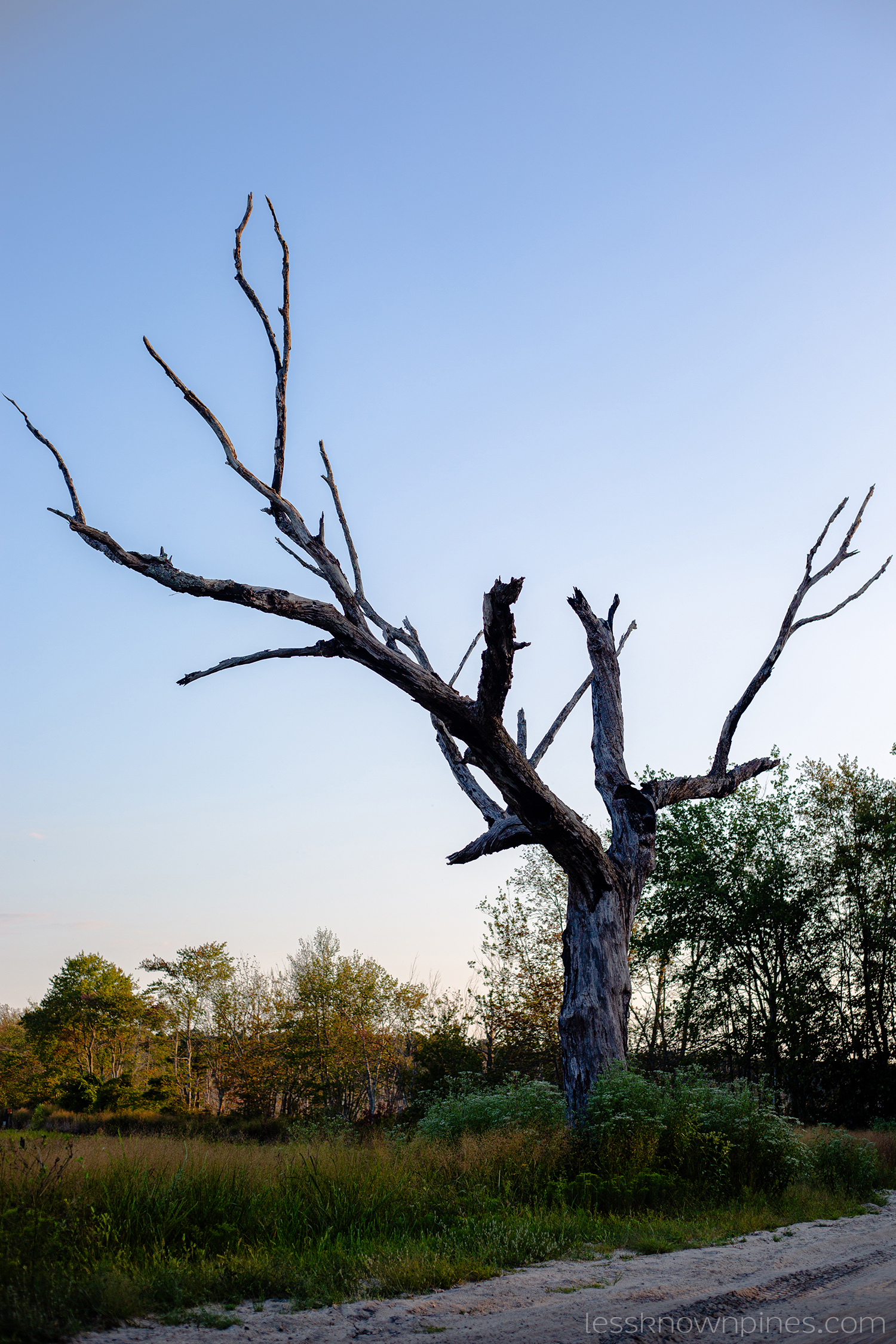
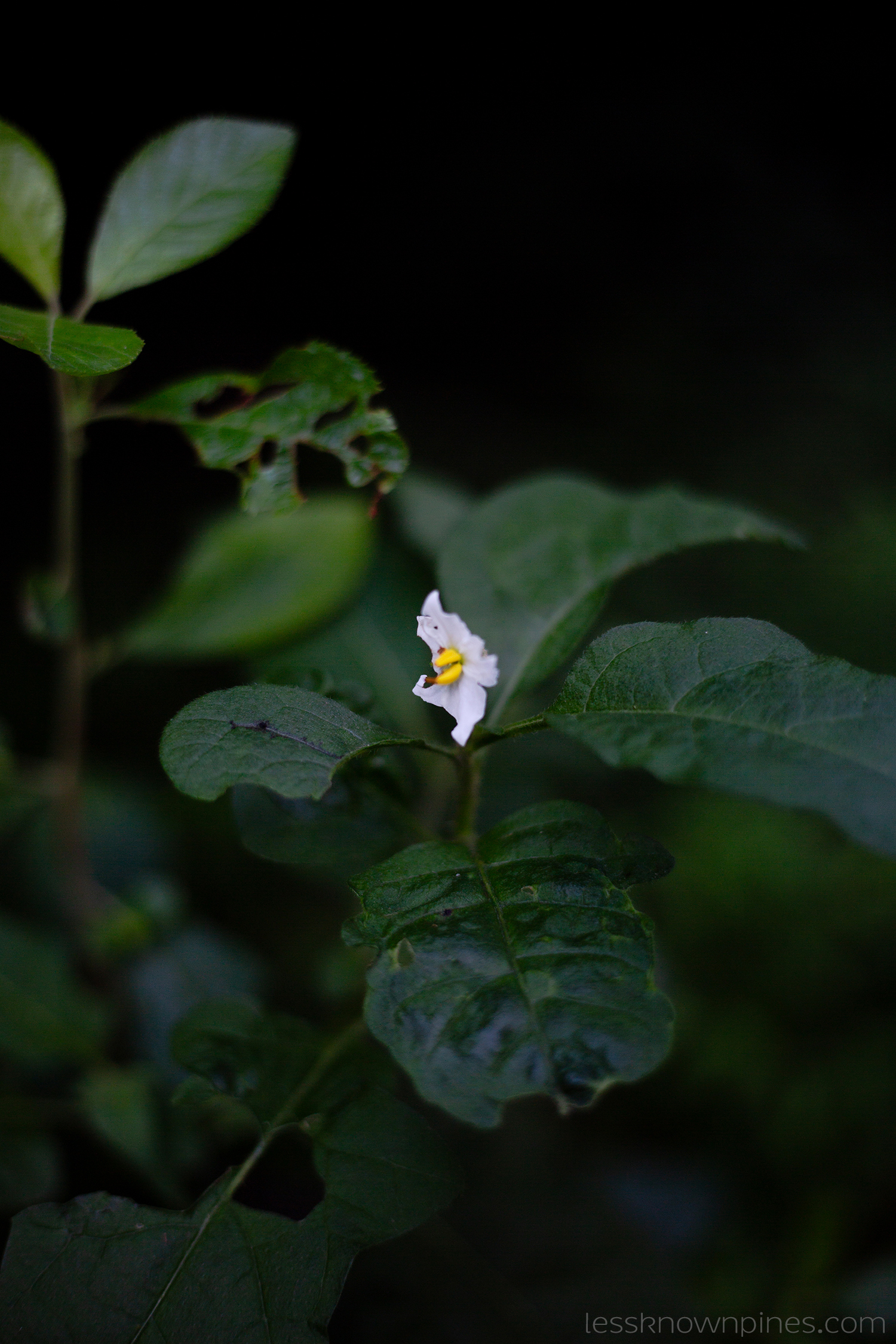
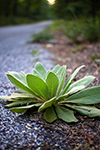
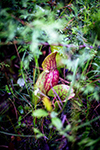
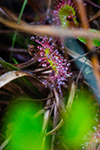
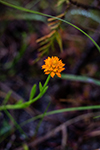
Common Plants Found Here
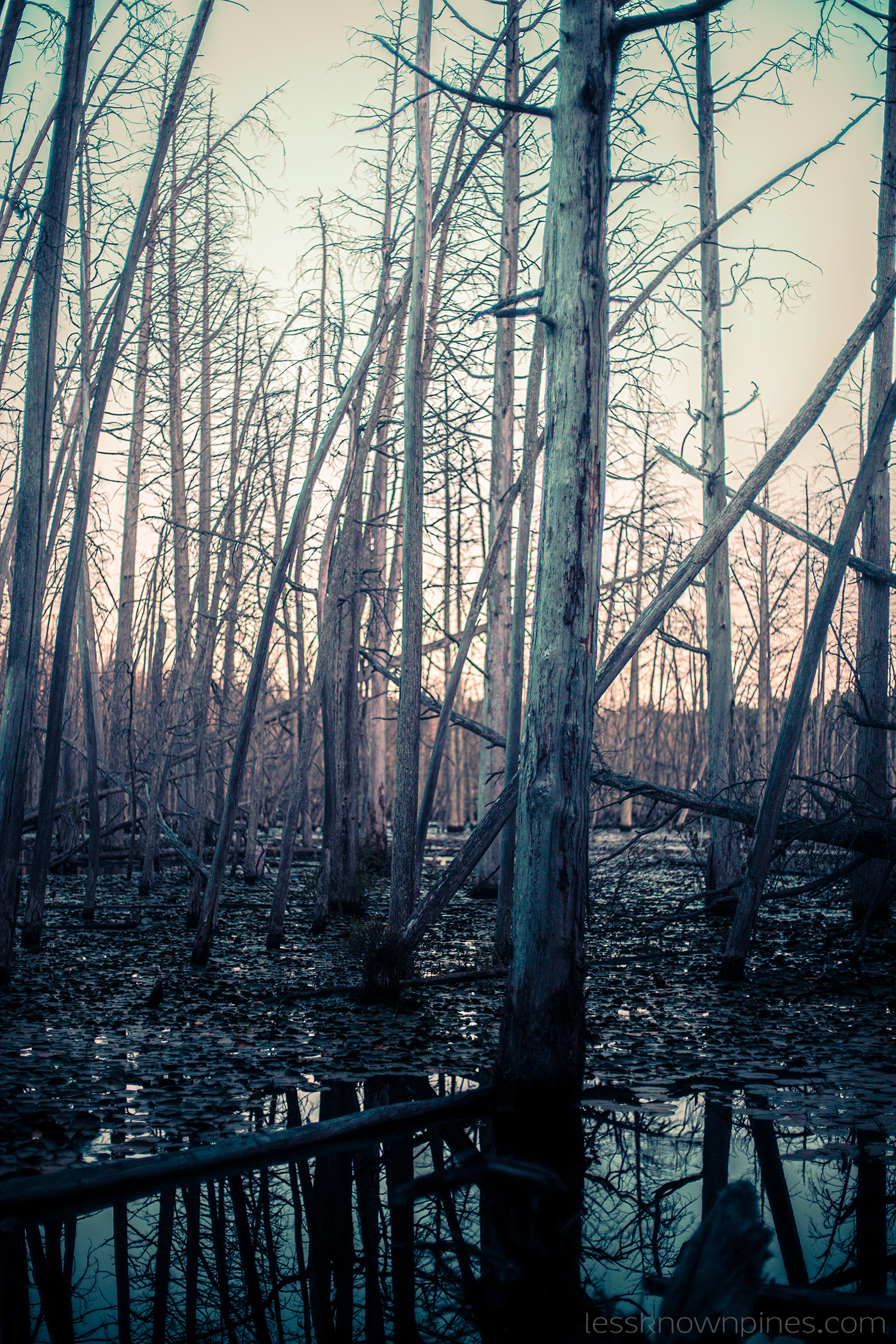
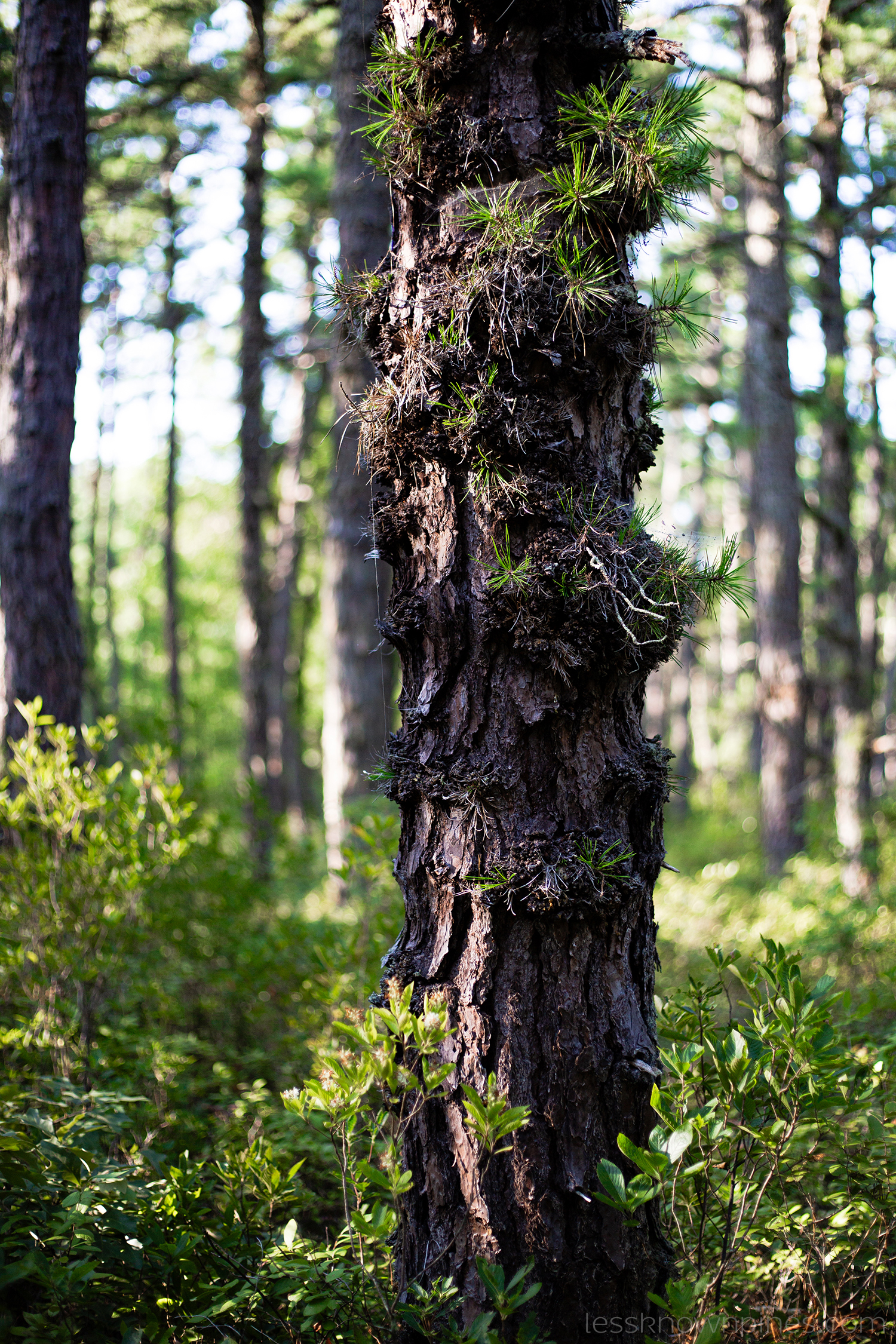

Brendan T. Byrne has a diverse set of habitats, including pitch pine forests, oak woodlands, cedar swamps, cranberry bogs, and freshwater ponds. This assortment of environments is more varied than other pineland forests, which may predominantly feature one or two habitat types.
What's Here
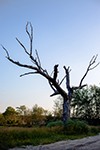
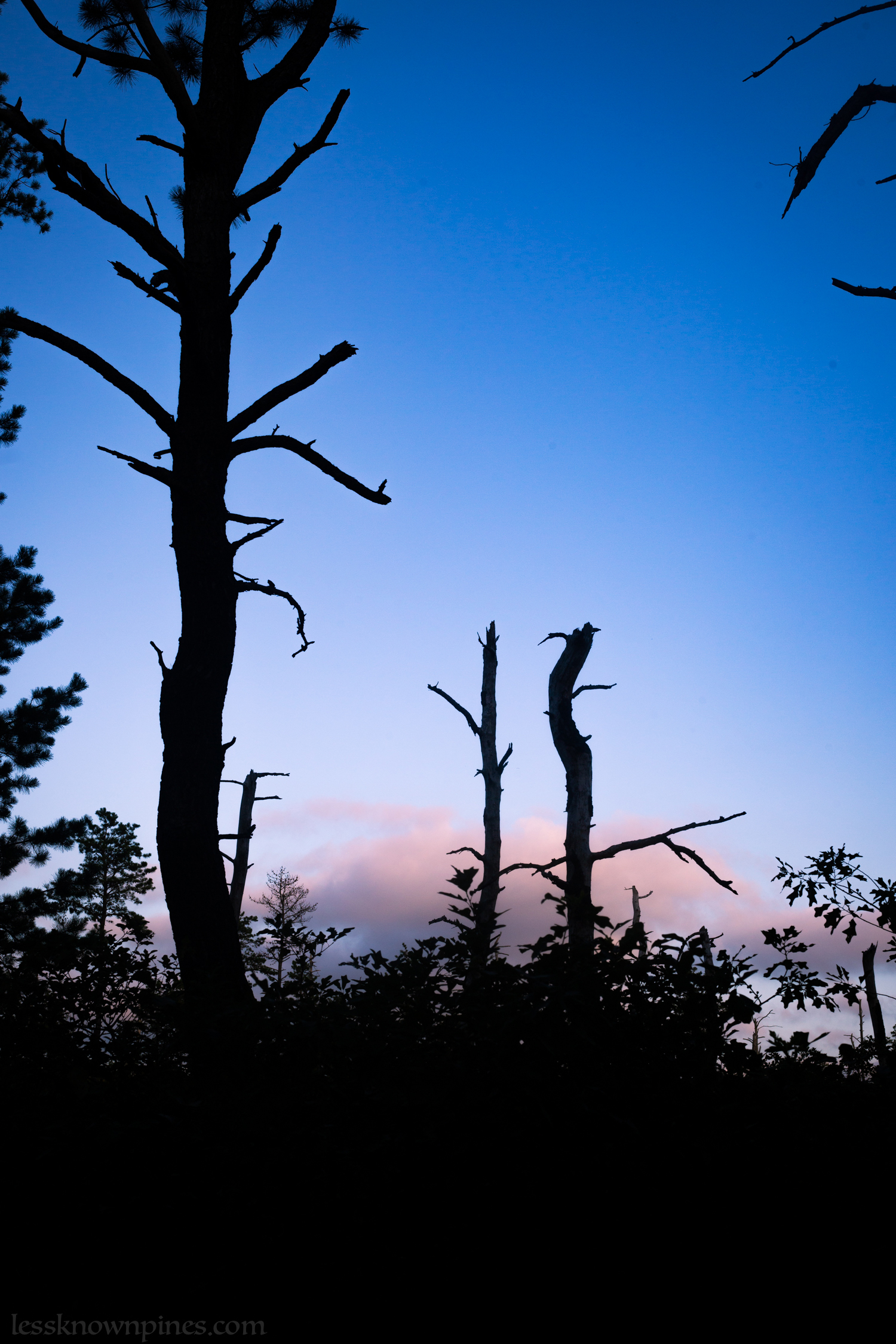
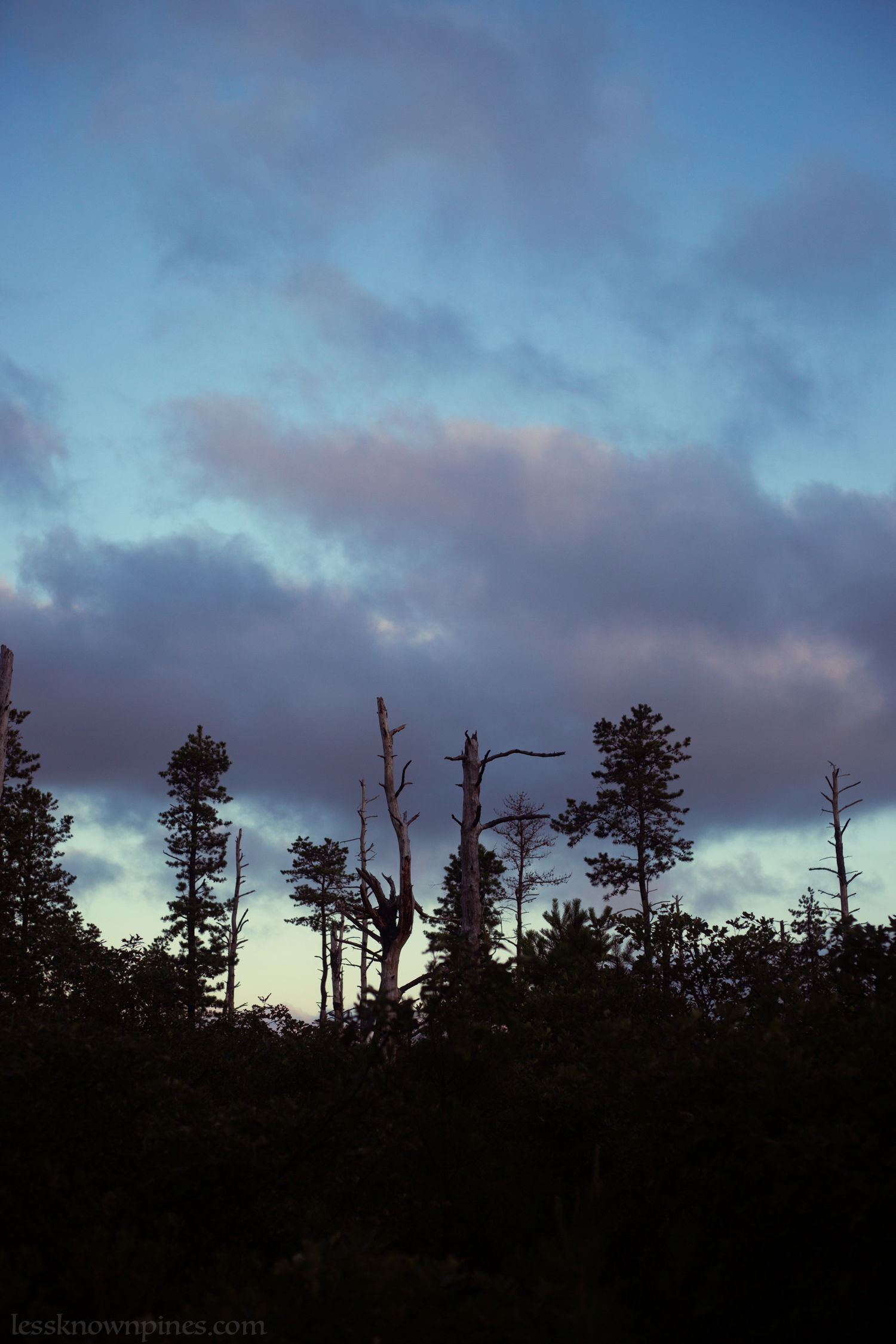
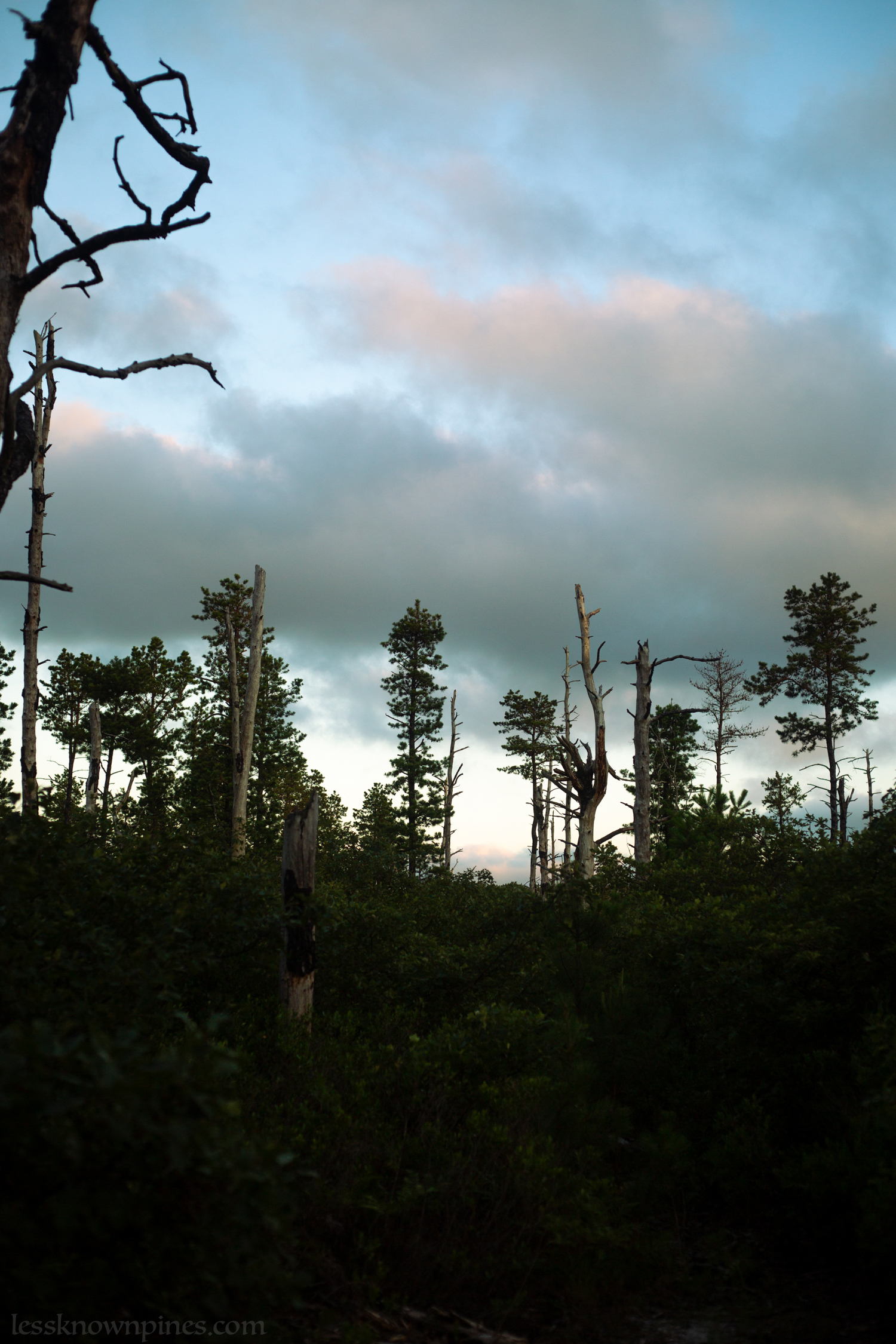
Some of the unique features of Brendan T. Byrne State Forest involve its hill elevation peaks. In addition to upland forests, swamps, and cedar forests, the tops of many hills offer a fascinating landscape. Trees become more spaced out or smaller in size. They can appear in the uplands or within the wetlands with Atlantic white cedar.
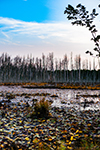
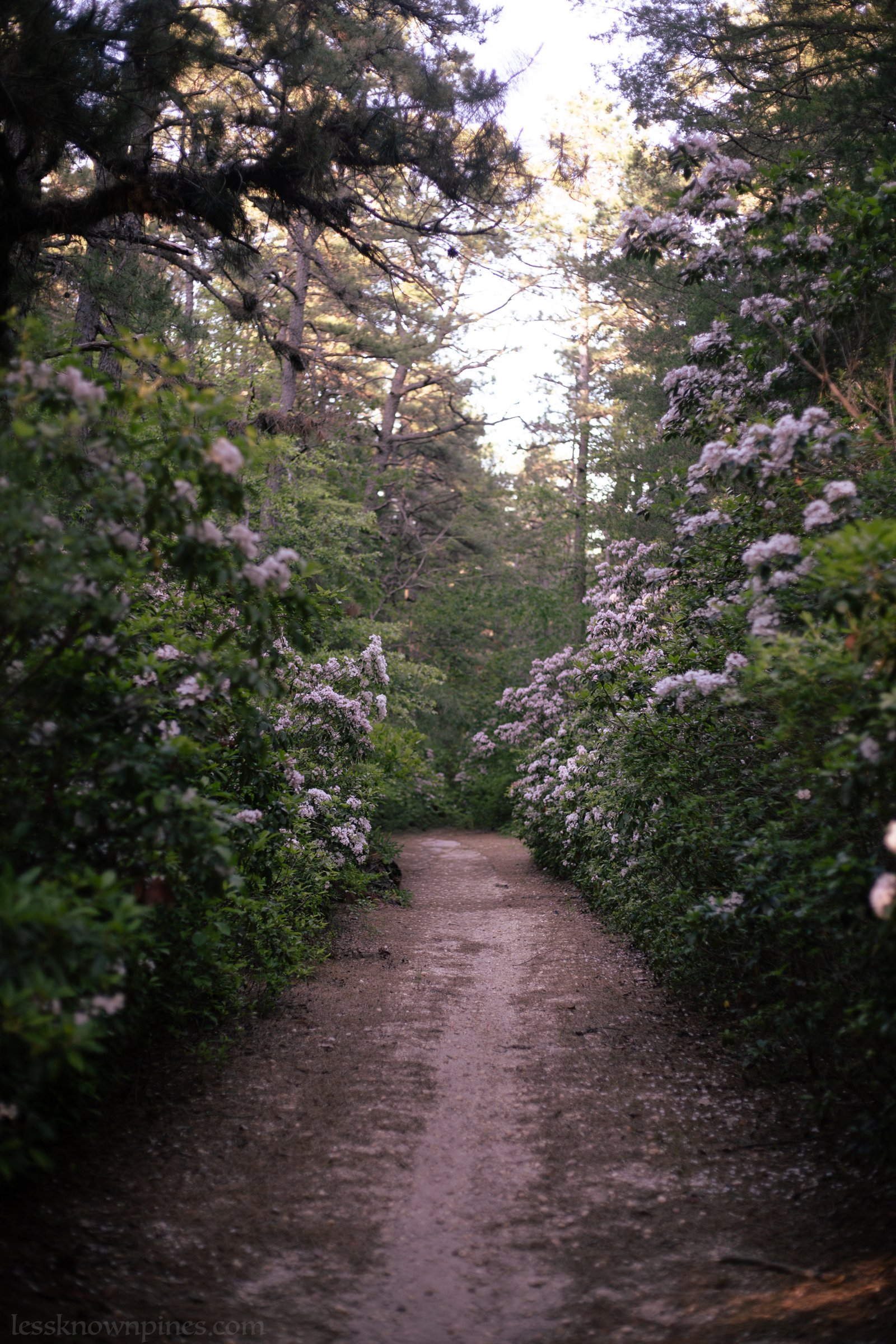
The Mountain laurel lane, which is a trail that leads to the top of a hill where there's a stagnant swamp with muddy water. Following heavy rain, it can overflow but the pond will dry up quickly during a drought.
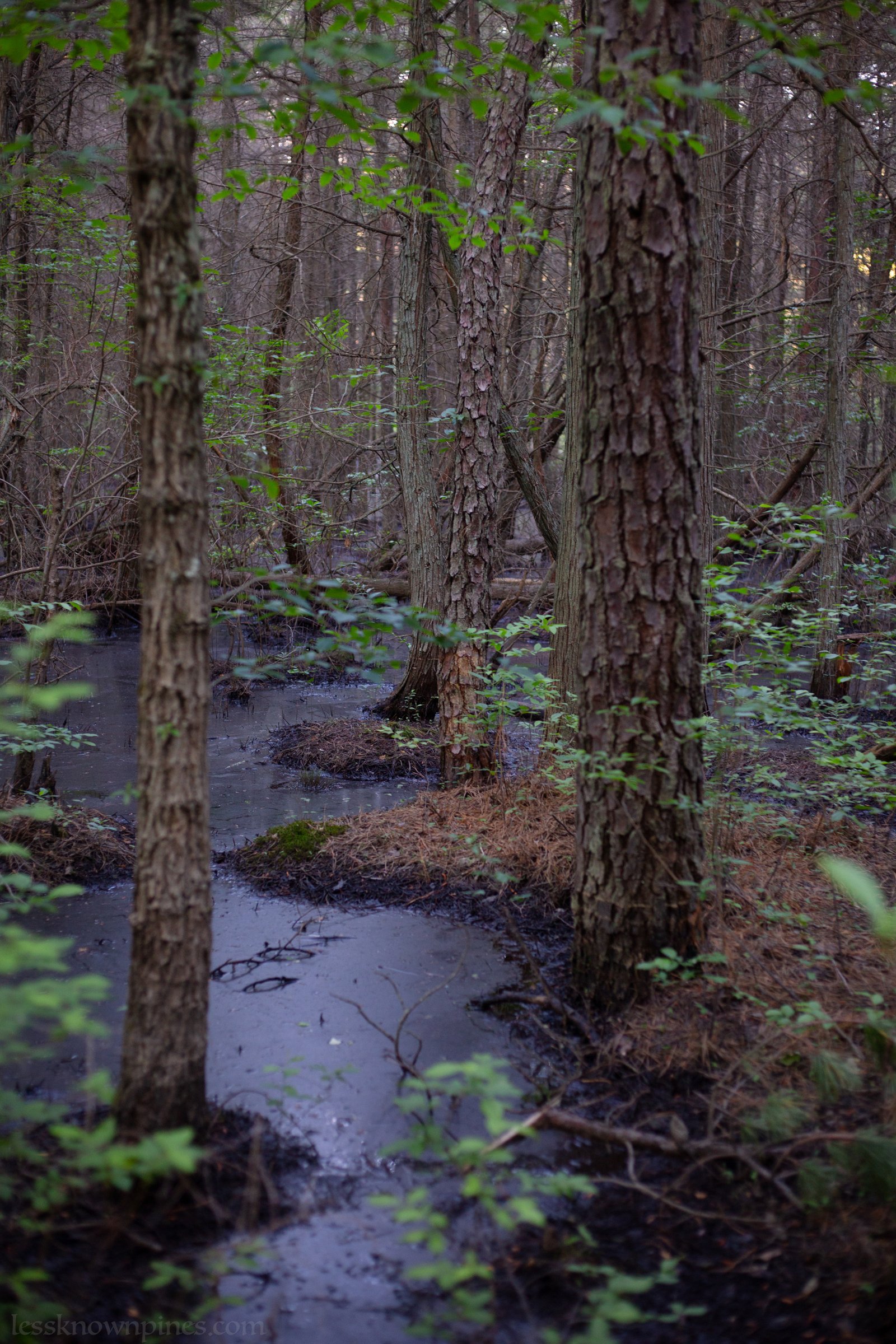
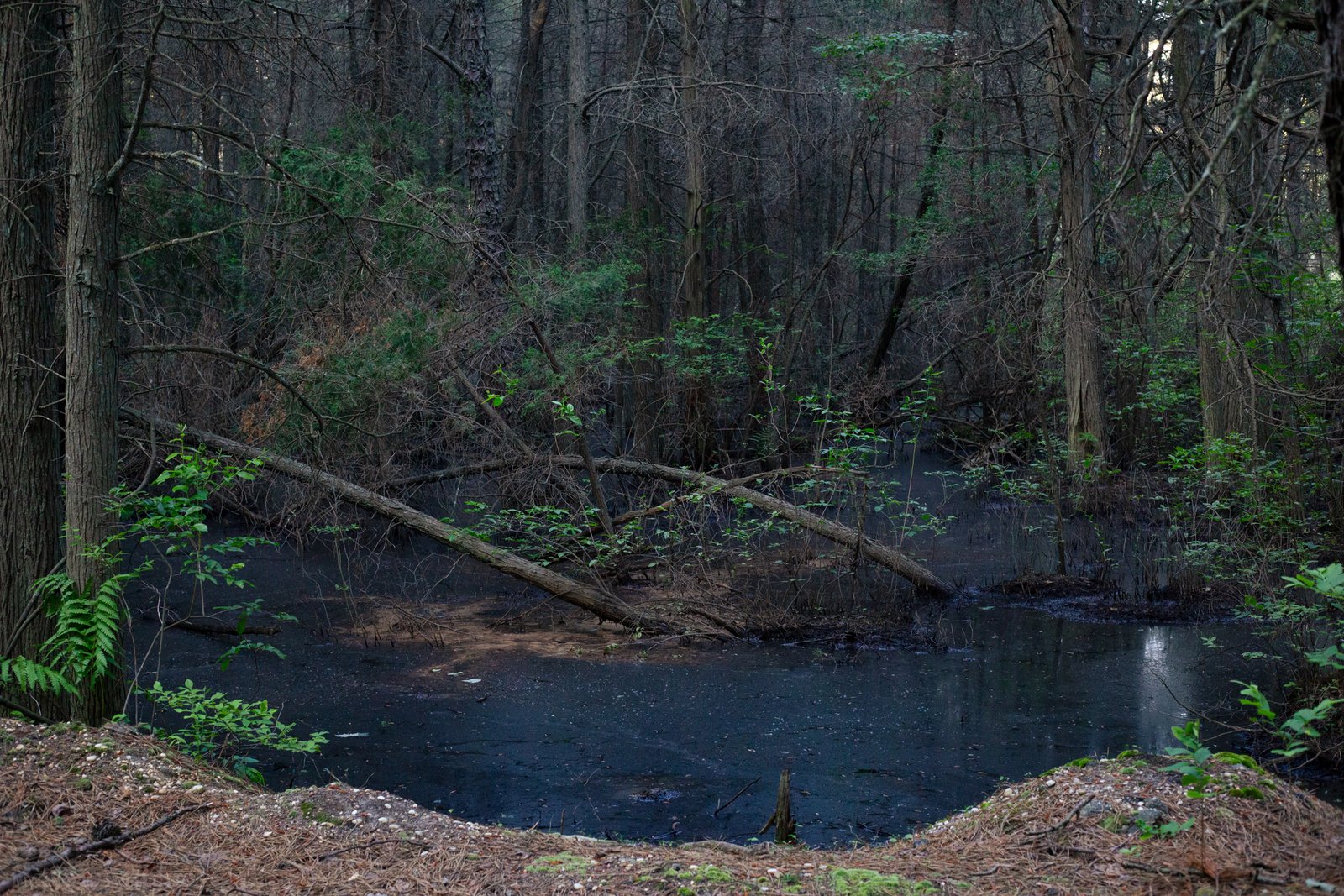
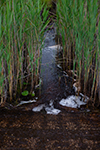
This swamp's water produces a film on the surface, being surrounded by cedar and pine that creates a protective layer of shade where algae grows.